Buying Guide
What Does 'Museum Quality' Actually Mean for Canvas Prints?
5 January 2025
The term “museum quality” gets used loosely in the print world. Some sellers attach it to any canvas print that comes stretched on a frame. But the phrase has a real meaning, rooted in the materials and techniques that museums and galleries have relied on for decades to preserve artwork. Understanding what separates a genuine museum-quality canvas print from an ordinary one will help you make a smarter purchase — and end up with art that holds its beauty for a lifetime.
Giclée Printing Explained: The Gold Standard for Art Reproduction
Giclée (pronounced “zhee-clay”) is a French term meaning “to spray,” and it refers to a specific method of inkjet printing developed in the early 1990s for fine art reproduction. Unlike standard digital printing, giclée uses high-resolution printers — typically operating at 1200 dpi or higher — that deposit microscopic droplets of ink onto the canvas surface with extraordinary precision.
What makes giclée printing different from the inkjet printer on your desk comes down to three things:
- Colour accuracy. Giclée printers use a wide-gamut colour system, often with 8 to 12 individual ink cartridges instead of the standard four. This allows for subtle gradations, accurate skin tones, and deep shadows that cheaper printing methods simply cannot reproduce.
- Archival pigment inks. Rather than dye-based inks, giclée printing relies on pigment-based archival inks. The difference matters enormously for longevity — covered below.
- Resolution and detail. The high DPI output means that fine brushstrokes, delicate textures, and intricate details in the original artwork are faithfully preserved in the print.
This is the same printing method used by galleries, museums, and professional photographers worldwide when they need reproductions that do justice to the original work.
Archival Inks vs. Dye-Based Inks: A Difference Measured in Decades
The type of ink used in a canvas print is arguably the single most important factor in determining how long it will last. There are two main categories, and they are not interchangeable.
Dye-based inks dissolve colour into a liquid solution. They can produce vivid results initially, but they are highly susceptible to fading when exposed to light, humidity, and air. A canvas print made with dye-based inks will typically begin to show noticeable fading within 5 to 10 years, even under normal indoor conditions. Hang it near a window and that timeline shortens considerably.
Archival pigment inks suspend solid colour particles in a liquid carrier. Once applied to the canvas, these particles bond to the surface and resist environmental degradation far more effectively. Independent testing has shown that high-quality archival pigment inks can maintain their colour integrity for 75 to 100 years or more when displayed under typical indoor lighting conditions.
The practical difference is stark. A print made with archival inks today could look just as vivid when your grandchildren inherit it. A print made with dye-based inks may look washed out before your child finishes primary school.
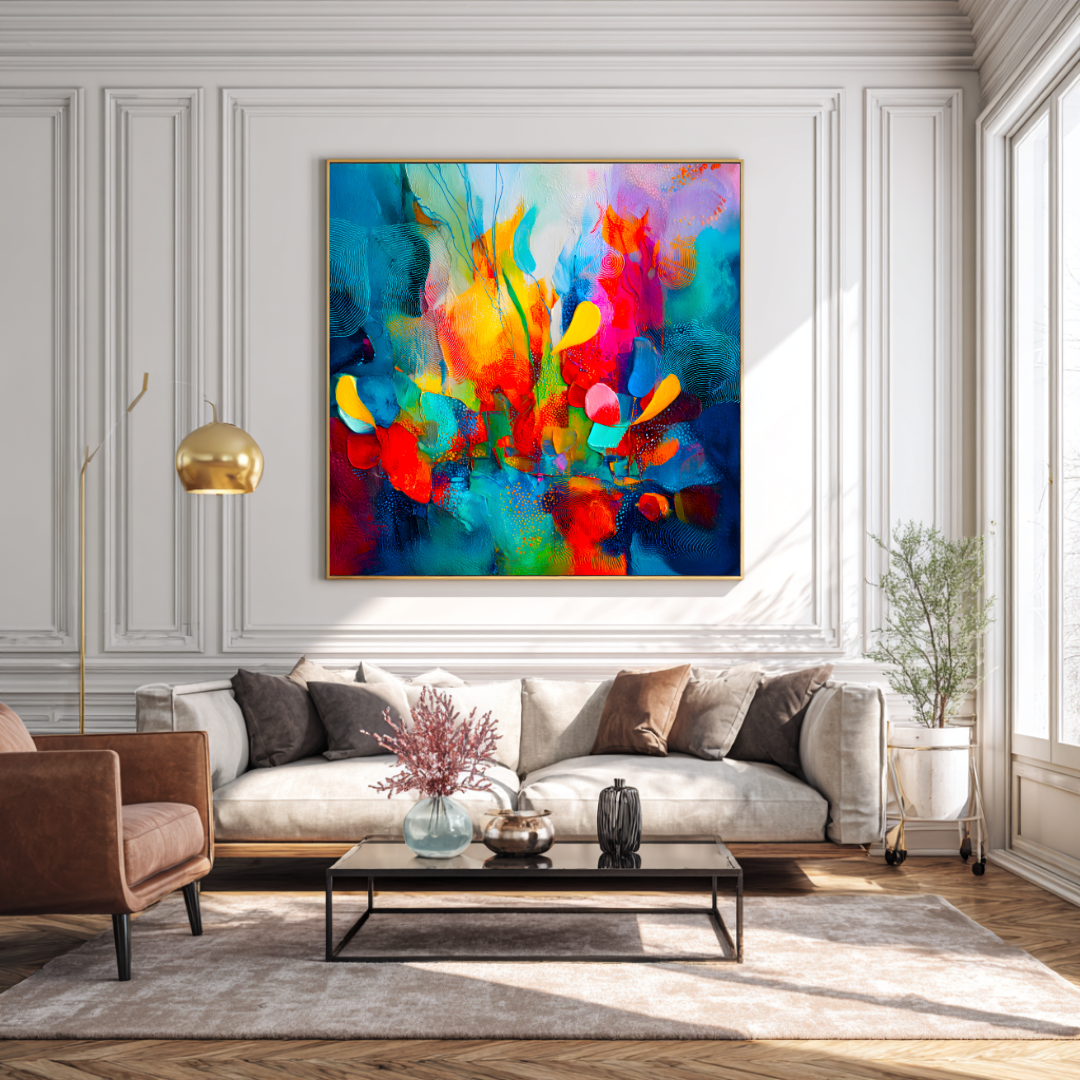 Floral — printed on 365 g/m² canvas with archival pigment inks
Canvas Weight: Why 365 g/m² Is the Benchmark
Canvas weight, measured in grams per square metre (g/m²), tells you a great deal about the quality of the material your print is made on. Think of it like the difference between writing on printer paper and writing on heavy cardstock — the weight affects texture, durability, and how the final product looks and feels.
- Lightweight canvas (200–280 g/m²): Common in budget prints. These canvases tend to feel thin, may sag over time on the stretcher bars, and often have a less refined texture that does not hold ink as effectively.
- Mid-weight canvas (280–340 g/m²): A step up, and adequate for some applications, but still prone to minor warping and does not deliver the tactile richness of heavier alternatives.
- Heavyweight canvas (340–400+ g/m²): This is the range that professional printmakers and galleries prefer. A 365 g/m² canvas provides a substantial feel, stays taut on the frame without sagging, and accepts ink beautifully — allowing for richer colour saturation and sharper detail.
Heavier canvas also resists damage better. It is less likely to dent if accidentally bumped and holds its shape over years of display. Every Marta Ellie canvas print is produced on 365 g/m² poly-cotton canvas using giclée printing with archival inks — a combination chosen specifically to meet museum-quality standards without compromise.
Museum-Quality Prints vs. Budget Poster Prints: An Honest Comparison
This is not about criticising affordable prints. A budget canvas print serves a purpose — it is inexpensive and can brighten a room for a few years. But it is worth understanding what you are getting at each price point so you can make an informed decision.
| Budget Print | Museum-Quality Print | |
|---|---|---|
| Ink type | Dye-based | Archival pigment |
| Canvas weight | 200–250 g/m² | 340+ g/m² |
| Colour reproduction | Limited tonal range | Full giclée accuracy |
| Longevity | 5–10 years | 75–100+ years |
| Stretcher bars | Thin, may warp | Kiln-dried solid wood |
When you are choosing art for a space you care about — a living room, a bedroom, a home office — the difference between these two categories becomes meaningful. A museum-quality print is not just decoration. It is a piece you can live with for decades.
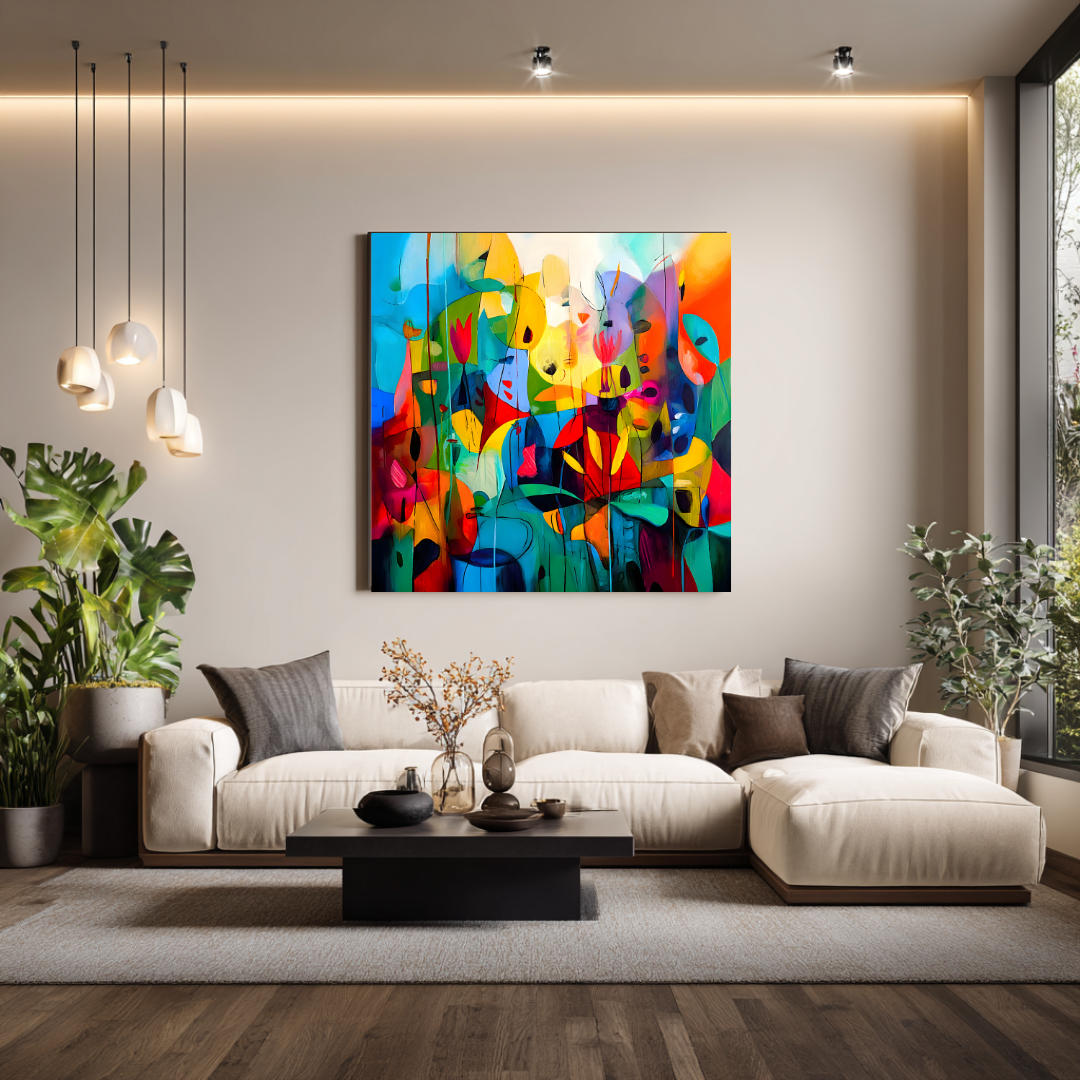 Flowers — botanical series, giclée printed with archival pigment inks
How to Tell If a Canvas Print Is High Quality
Whether you are shopping at Marta Ellie or anywhere else, here are the things to look for before you buy.
Check the canvas weight
Look for specific g/m² numbers in the product description. If a seller does not mention canvas weight at all, treat that as a red flag. Anything above 340 g/m² is a strong indicator of quality.
Ask about the ink type
The product listing should clearly state whether the print uses archival pigment inks or dye-based inks. Terms like “giclée,” “archival inks,” or “pigment inks” are what you want to see. If the listing just says “high-quality inks” without specifics, be cautious.
Look for longevity claims backed by testing
Reputable sellers will reference independent testing or industry-standard benchmarks for fade resistance. Claims like “fade-resistant for 75+ years” carry real weight when they are based on verified testing standards.
Examine the stretcher bar details
Quality canvas prints use solid wood stretcher bars, often 3–4 cm deep, that are kiln-dried to prevent warping. If the listing does not mention the frame construction, the seller may be cutting corners.
Read about the finish
Museum-quality prints often include a protective coating that guards against UV damage, moisture, and scratching. This extra step significantly extends the life of the print.
Investing in Art That Lasts
A canvas print is only as good as the materials and craftsmanship behind it. When you understand the difference between giclée and standard digital printing, between archival and dye-based inks, between heavyweight and lightweight canvas, you are equipped to choose art that will not disappoint you five, ten, or fifty years from now.
The best canvas prints are the ones you never have to replace — the ones that look as striking on your wall a decade from now as the day you hung them.
For a practical guide to choosing and placing art prints across your home, see art prints for home decor: how to buy better than mass-market.
Every canvas print in Marta Ellie’s collection is made on 365 g/m² poly-cotton canvas, printed using giclée with archival pigment inks, and signed with a certificate of authenticity.
From the collection
Prints related to this guide
Limited editions of 20 · Giclée on 365 g/m² canvas · Signed by Marta Ellie
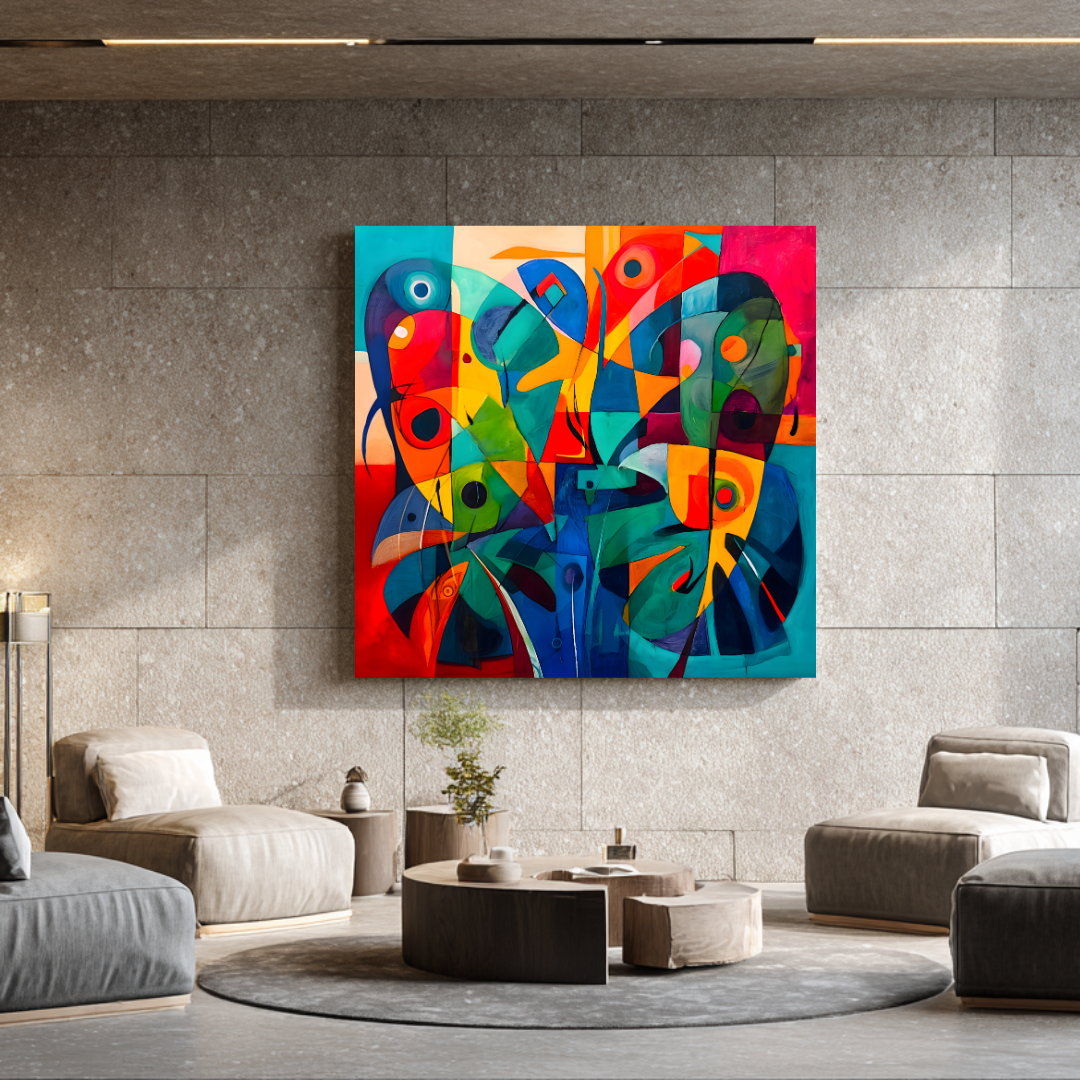
Abstract & Modern
Metamorphosis
€325
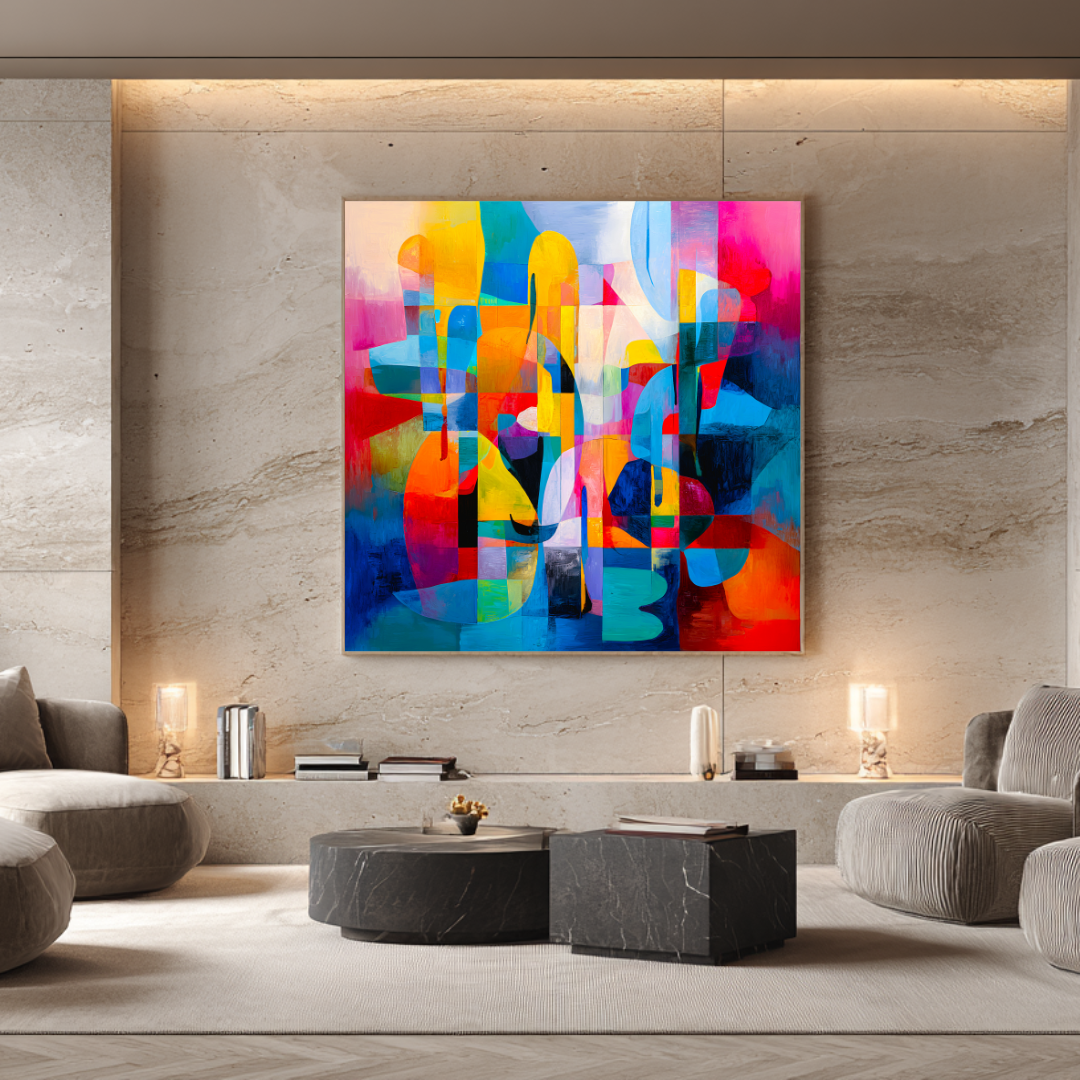
Abstract & Modern
Dreams
€300
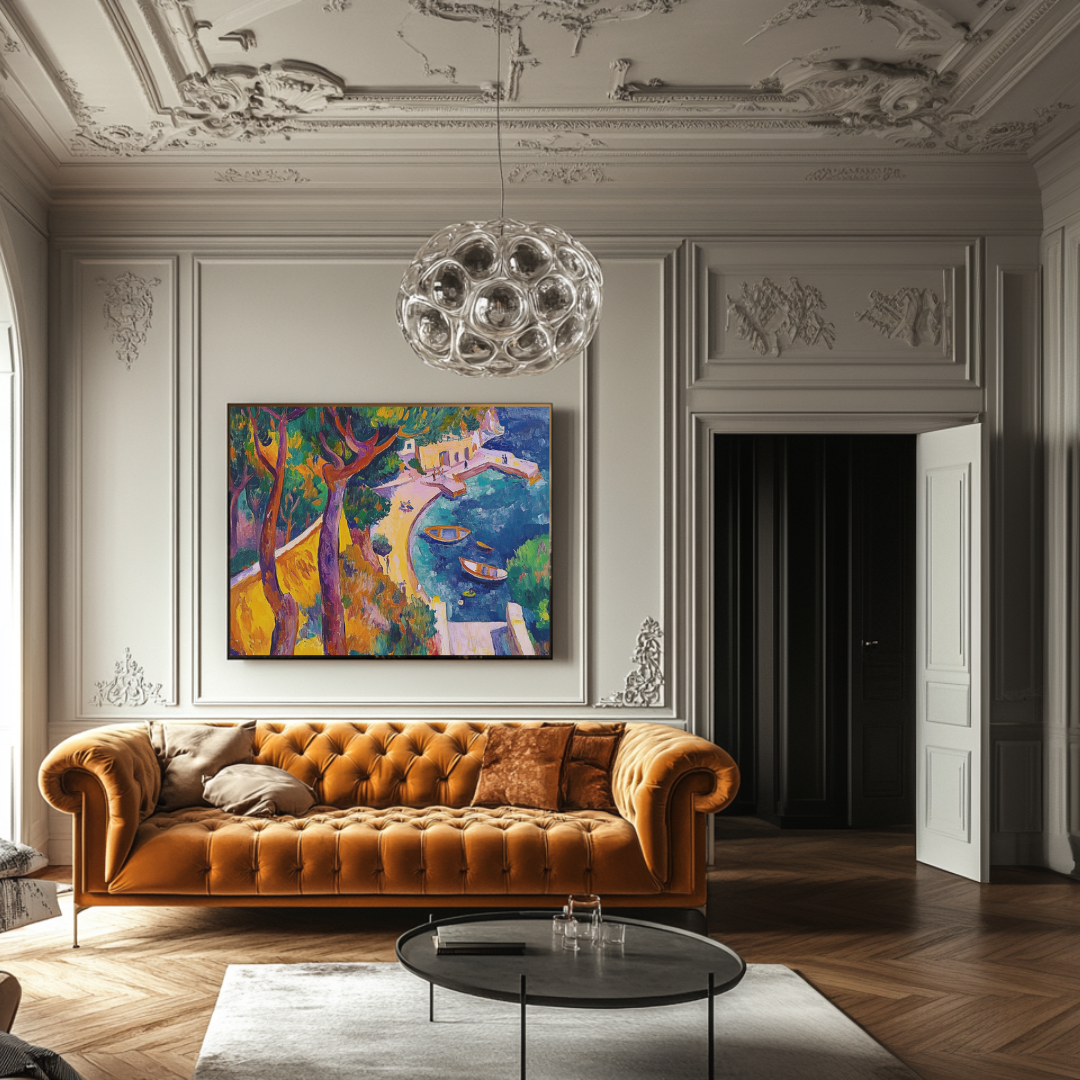
Coastal & Mediterranean
Harbor of Dreams
€350
Read next
Ready to find yours?
Museum-quality prints, from €300.
Limited editions of 20. Giclée on 365 g/m² canvas. Shipped worldwide.
More articles