Art Guide
Top 10 Modern Art Styles for Contemporary Homes (2025 Guide)
10 April 2025
The way we choose art for our homes has shifted significantly in the past few years. The clean, almost clinical minimalism that dominated contemporary interiors through the 2010s has given way to something warmer, more layered, more personal. Colour has returned. Texture has returned. The idea that a home should feel lived in — not staged — has returned.
If you’re choosing art for a contemporary home in 2025, these are the styles that are resonating most strongly. Not every style will be right for every home — but understanding what each one offers helps you make a more confident choice.
1. Expressive Abstract Art
Abstract expressionism never entirely left contemporary interiors — but the version that’s strongest right now is warmer, more gestural, and more openly emotional than the cool geometric abstraction that preceded it.
Think large, confident brushwork. Paint that’s been pushed, scraped, and layered until the surface has genuine physical depth. Palettes built on ochre, burnt sienna, warm white, and deep earthy tones — occasionally punctuated by a cooler note of blue-green or slate.
Best for: Open-plan living rooms, entrance halls, spaces with high ceilings and generous wall proportions.
For a buyer’s guide to finding and choosing contemporary abstract prints specifically, see contemporary abstract art prints: what to look for before you buy.
2. Organic Abstraction
Where expressive abstraction is bold and gestural, organic abstraction is quieter — more about form than mark-making. Soft, rounded shapes. Compositions that suggest natural forms — water, stone, botanical growth — without depicting them literally. Palettes drawn from the natural world: sage, terracotta, warm sand, deep forest green.
Best for: Bedrooms, living rooms with natural material palettes, any space where the goal is calm rather than drama.
3. Contemporary Figurative Art
The figure has returned to contemporary painting in a way that feels genuinely fresh — not academic, not illustration-derived, but loose, psychologically present, and painterly. Works in this style often feature female subjects, depicted with a confidence and interiority that makes them feel like subjects rather than objects.
Best for: Living rooms, studies, any space where you want art that generates genuine conversation.
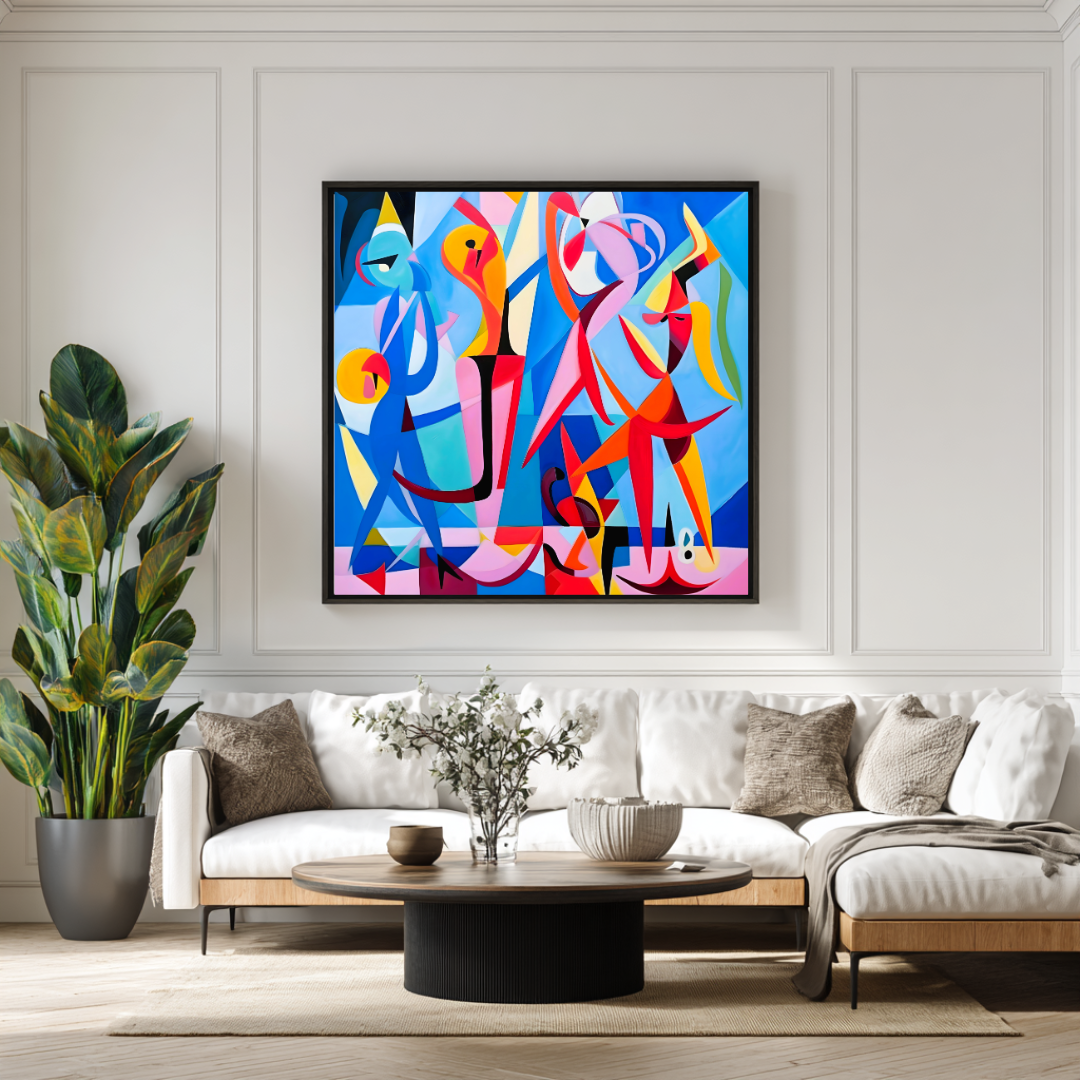 Dancing — contemporary figurative series
4. Maximalist Colour Field
A direct response to the grey-and-white decade that preceded it. Colour field painting — large areas of flat or near-flat colour in conversation with each other — has become a strong presence in contemporary interiors that are deliberately moving away from restraint.
The 2025 version of this style tends to use more complex, dusty, or unexpected colour relationships than its 1960s forebears. Not primary colours but tertiary ones — the kind of colours that take a moment to name.
Best for: Spaces with a strong, confident interior design palette. Works particularly well in rooms that already use colour decisively.
5. Nature-Inspired and Botanical Art
Plants, flowers, organic forms — this category has expanded well beyond the decorative botanical prints that populated interiors a decade ago. Contemporary botanical and nature-inspired art is more abstract, more emotionally engaged, and more painterly than its predecessors.
The best work in this style treats natural subject matter as a starting point rather than a destination — moving from the specific flower or leaf toward something more atmospheric, more felt.
Best for: Kitchens, dining rooms, bedrooms, any space where a connection to the natural world feels appropriate.
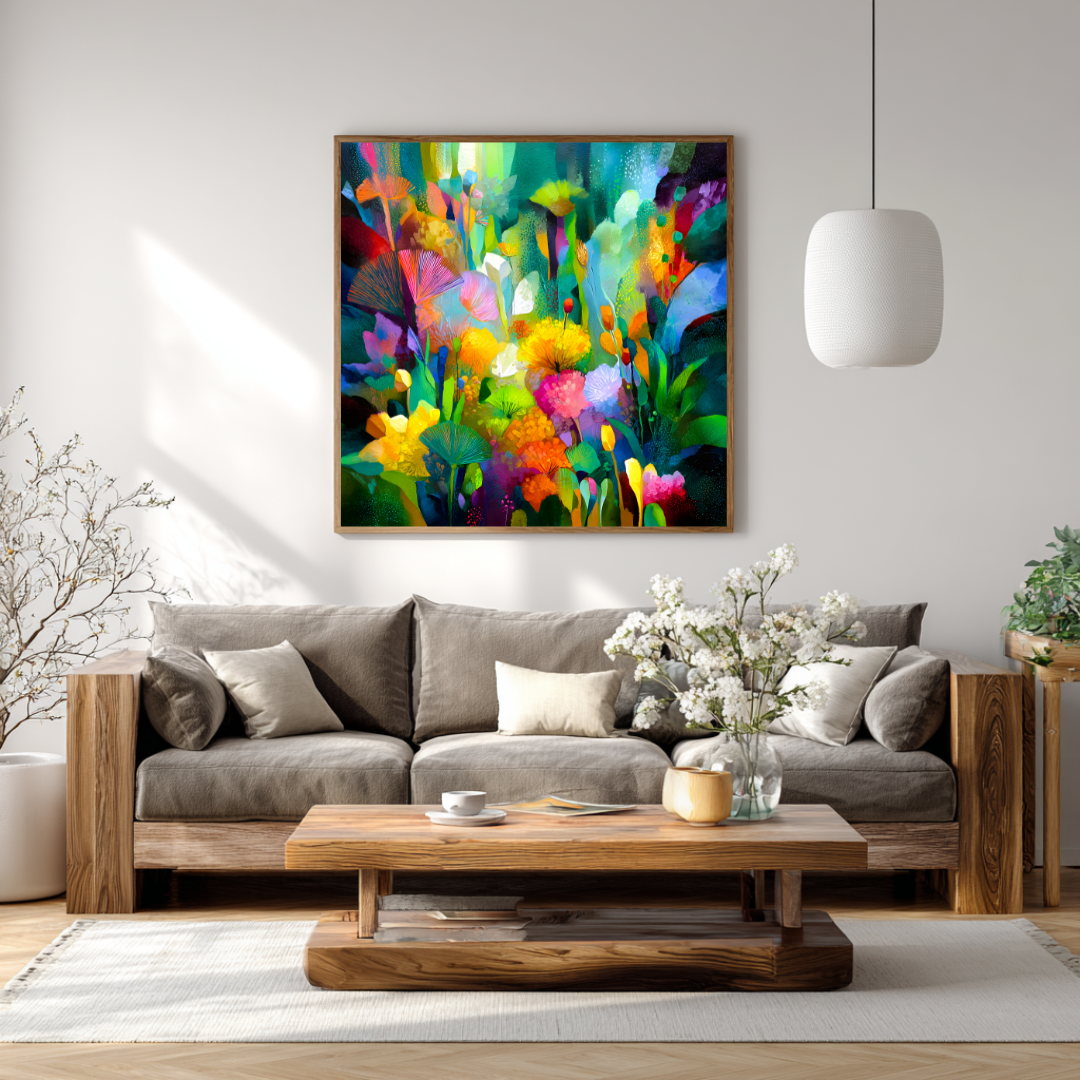
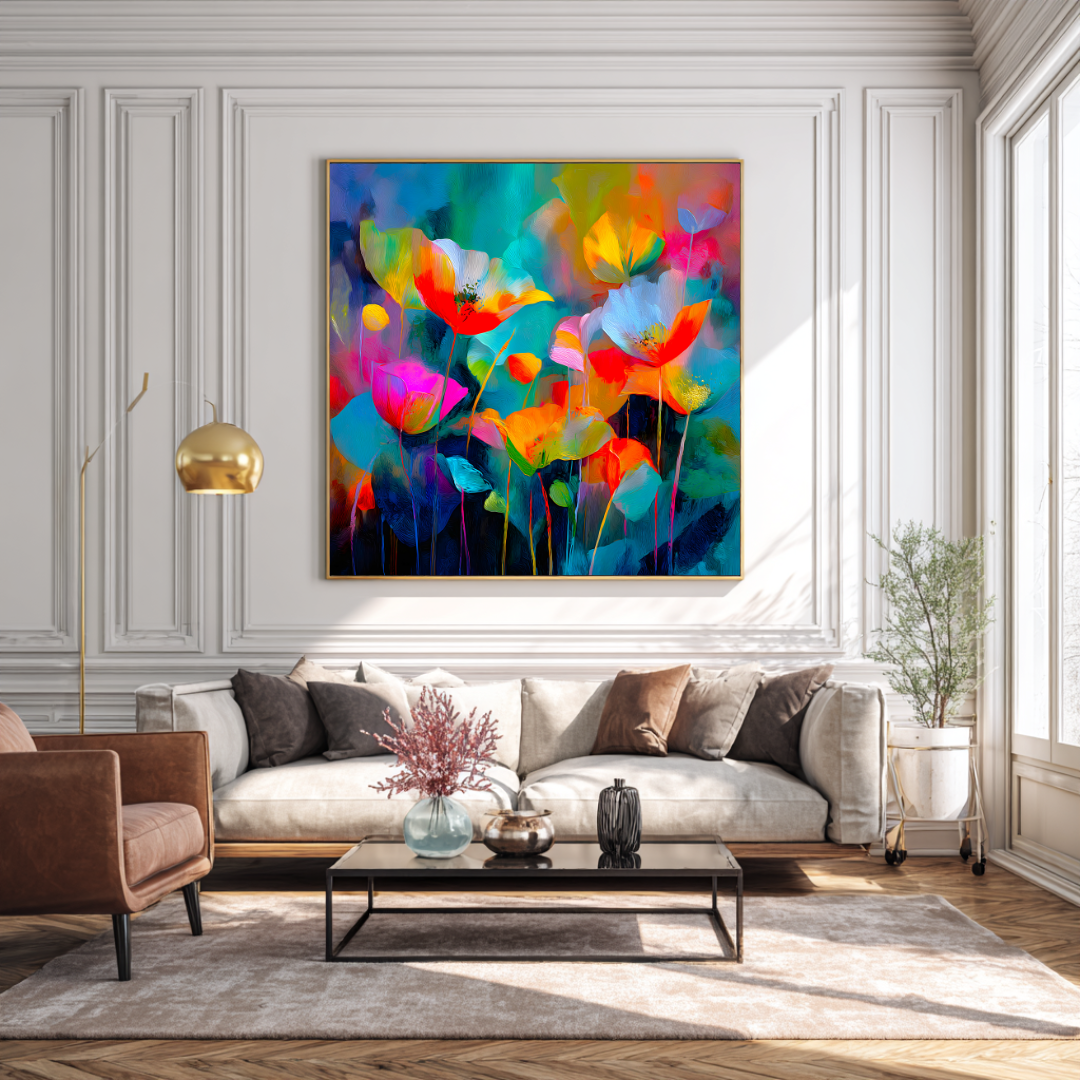 Flora — botanical & floral series
6. Minimal Abstraction
For interiors that are genuinely architectural — spaces where the building is the dominant visual presence — minimal abstract art maintains its relevance and strength. The version of minimalism that resonates in 2025 interiors has more warmth than the strict geometric work of earlier decades.
Best for: Architecturally significant interiors, Scandinavian-influenced and Japanese-inspired design schemes.
7. Feminist and Women-Centred Art
Art made by women, depicting women, exploring feminine experience — this category has moved from the margins to the centre of contemporary collecting and interior design choices. Not as a political statement (though it can be that too) but as a genuine aesthetic and cultural preference.
Collectors and homeowners across Europe are actively seeking work by female artists — work that brings a different perspective, a different set of concerns, and often a different quality of attention to its subjects.
Best for: Any space — but particularly significant as a considered choice in a home where the art collection is being built with intention.
8. Textured and Mixed Media Work
In a moment when digital images are infinitely abundant, art that is emphatically physical has gained real cultural traction. Works that incorporate material texture — thick paint, sand, fabric, metal leaf, collage elements — offer something a screen genuinely cannot: an object whose full experience requires physical presence.
Canvas prints of textured originals capture a significant amount of this quality. The texture in a giclée print of a heavily worked original painting reads as depth even in reproduction.
Best for: Any space where you want art that invites physical attention. Particularly effective in interiors with raw plaster, exposed brick, or natural stone.
9. Landscape and Place-Based Abstraction
Not literal landscape painting — not the pastoral tradition — but work that begins with a specific relationship to a place and moves toward abstraction. The quality of light in southern Spain. The particular blue of the Atlantic. The bleached gold of summer hillsides. Work that carries a sense of geography in its palette and atmosphere without depicting it literally.
Best for: Homes in places with strong landscape character. Second homes and holiday properties.
10. Quiet Luxury Abstraction
The “quiet luxury” aesthetic has its direct equivalent in contemporary art — work characterised by restraint, quality of materials, tonal sophistication, and the kind of confidence that doesn’t need to announce itself.
Paintings and prints with palettes built on warm cream, pale stone, soft taupe, and deep charcoal — occasionally lifted by a single note of deep blue or forest green. The visual equivalent of a cashmere coat: understated, expensive-looking, and built to last.
Best for: Luxury residential interiors, boutique hospitality spaces, and any home where the aesthetic is deliberately high-quality rather than high-volume.
How to Choose the Right Style for Your Home
You don’t need to commit to a single style. Most contemporary homes that feel genuinely considered have a dominant aesthetic logic — the style that appears on the main walls of key rooms — with supporting works in related but distinct styles elsewhere.
Match the energy of the room. A bedroom needs different art from a kitchen, which needs different art from a home office. Think about the mood the room is designed to support and choose a style that amplifies that mood.
Follow what consistently attracts your eye. If you find yourself saving the same kinds of images repeatedly — the same palette, the same quality of mark-making — trust that. Your eye is telling you something reliable.
Let the architecture lead. Contemporary architecture tends toward abstraction; traditional and period architecture accommodates figurative and representational work more naturally.
Frequently Asked Questions
What is the most popular art style for modern homes in 2025?
Expressive and organic abstraction are the dominant styles in contemporary residential interiors right now — particularly works with warm, earthy palettes and visible texture. The broader shift is away from cool, geometric minimalism toward something warmer, more physical, and more emotionally present.
What wall art is trending in 2025?
Large-format abstract canvases with expressive brushwork and earthy, complex palettes are the strongest trend. Alongside this, there’s growing interest in textured and mixed-media originals, botanical and nature-inspired abstraction, and work by female artists.
How do I know what art style suits my home?
Start with the architecture and the existing interior palette. Modern, minimal spaces tend to suit abstract and geometric work. Warmer, more layered interiors accommodate organic abstraction and figurative work naturally.
Is abstract art still popular for contemporary homes?
Yes — and more specifically than ever. The abstraction that resonates in 2025 interiors is warmer, more gestural, and more materially rich than the geometric abstraction that preceded it.
Marta Ellie’s work spans expressive abstraction, organic form, and nature-inspired painting — all beginning as original oil and acrylic works and available as signed limited edition canvas prints or original commissions.
Not sure which style is right for your space? Get in touch — happy to help you find the right direction.
From the collection
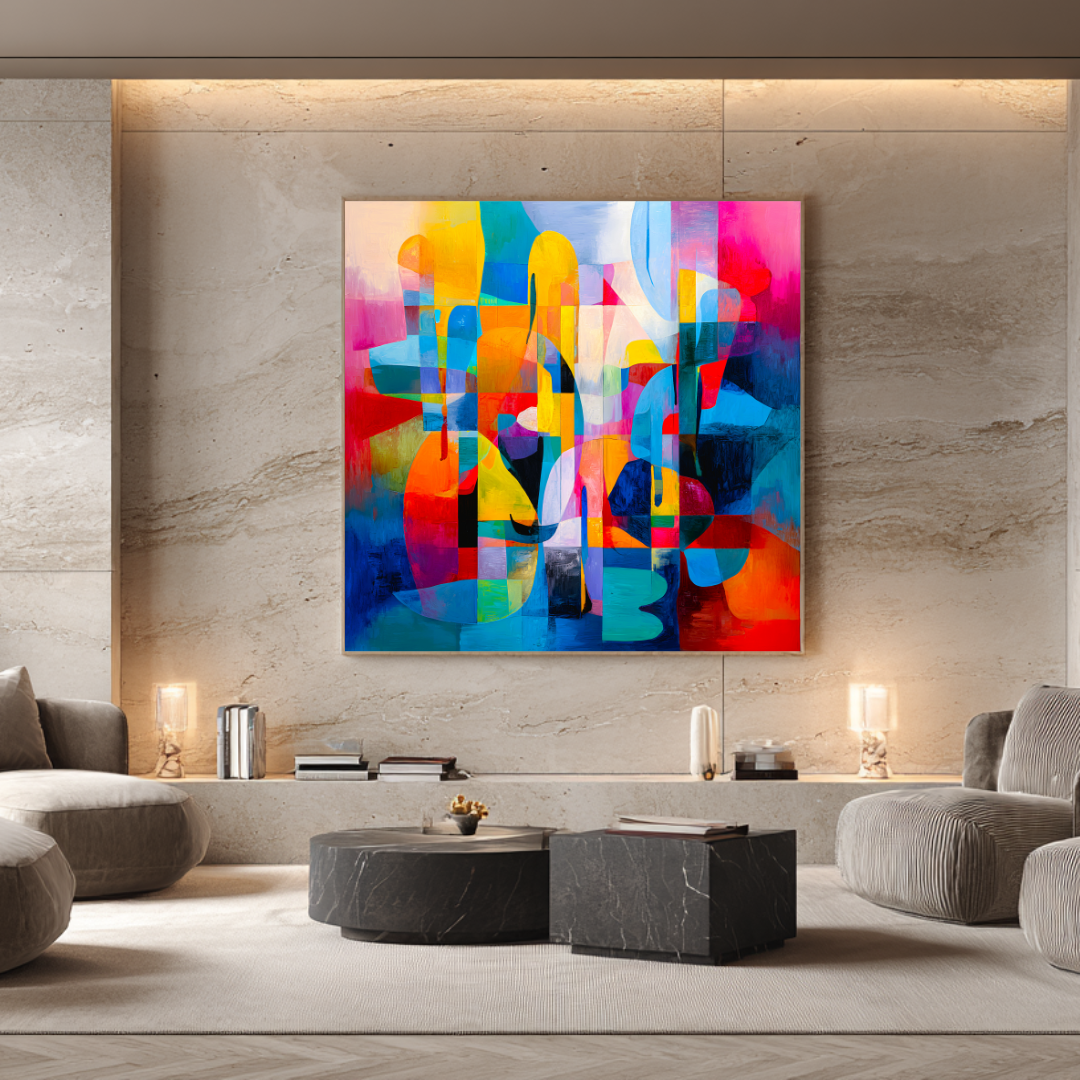
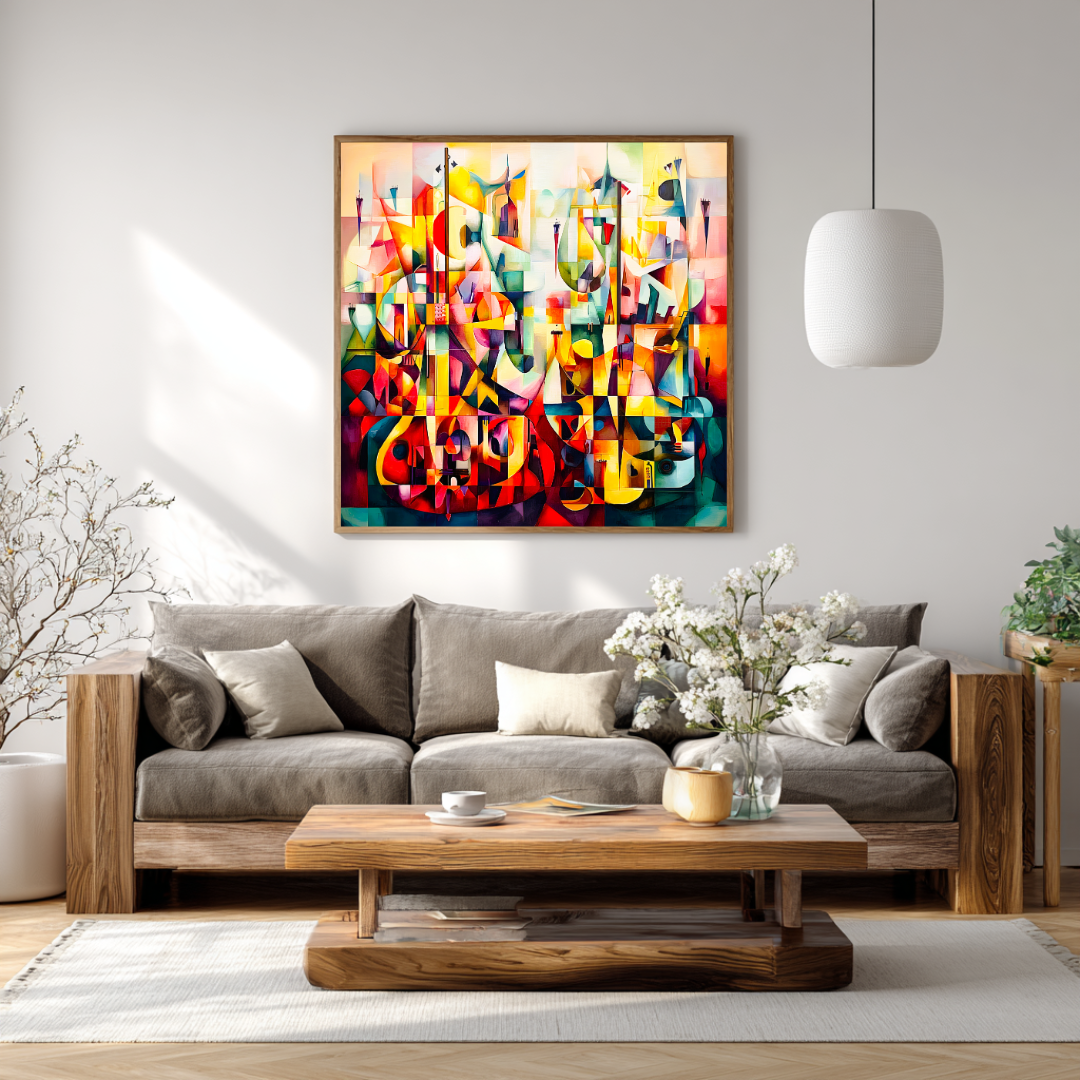
Prints related to this guide
Limited editions of 20 · Giclée on 365 g/m² canvas · Signed by Marta Ellie
View All Prints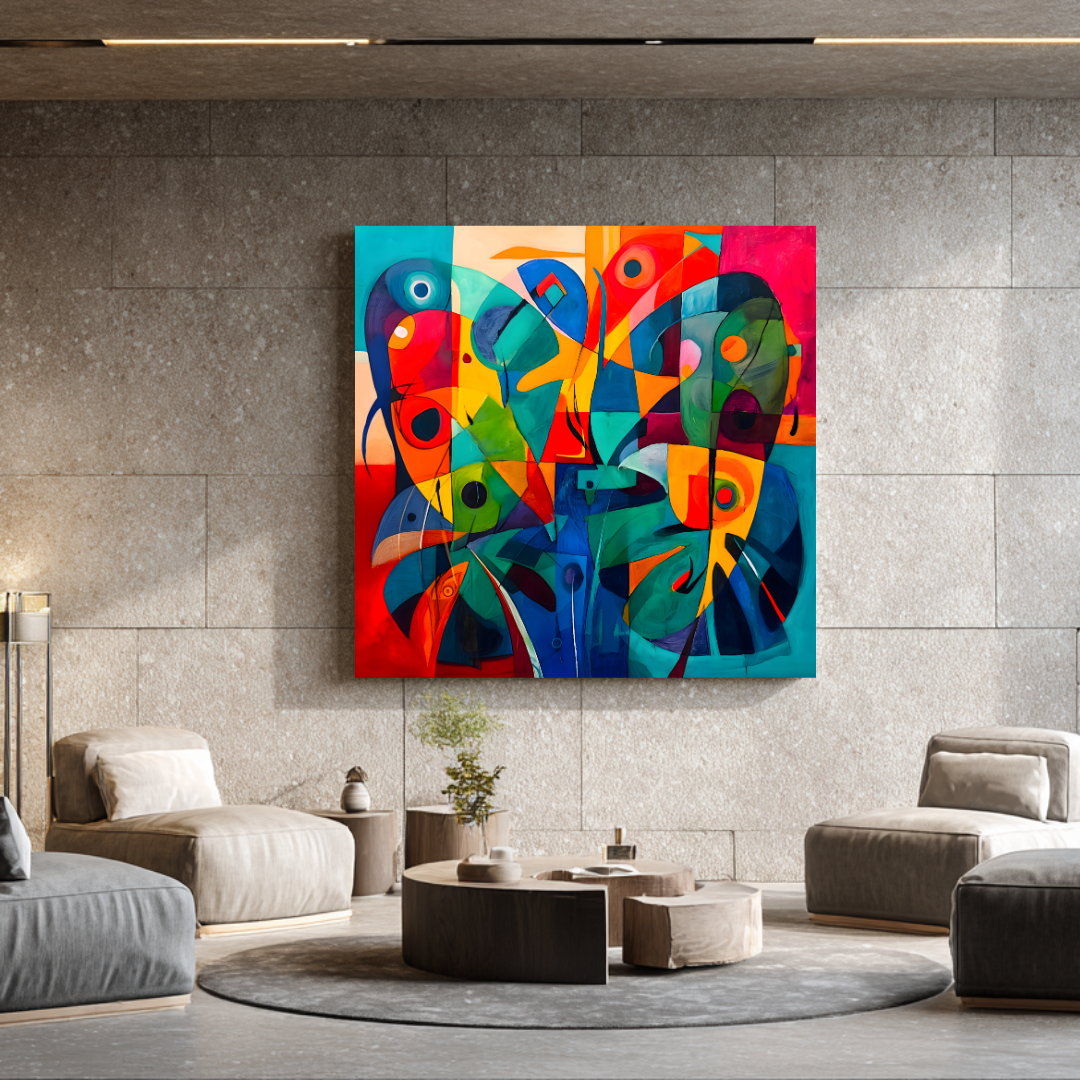
Read next
Ready to find yours?
Museum-quality prints, from €300.
Limited editions of 20. Giclée on 365 g/m² canvas. Shipped worldwide.
More articles