Commissions
How Interior Designers Choose Art for High-End Homes
5 March 2025
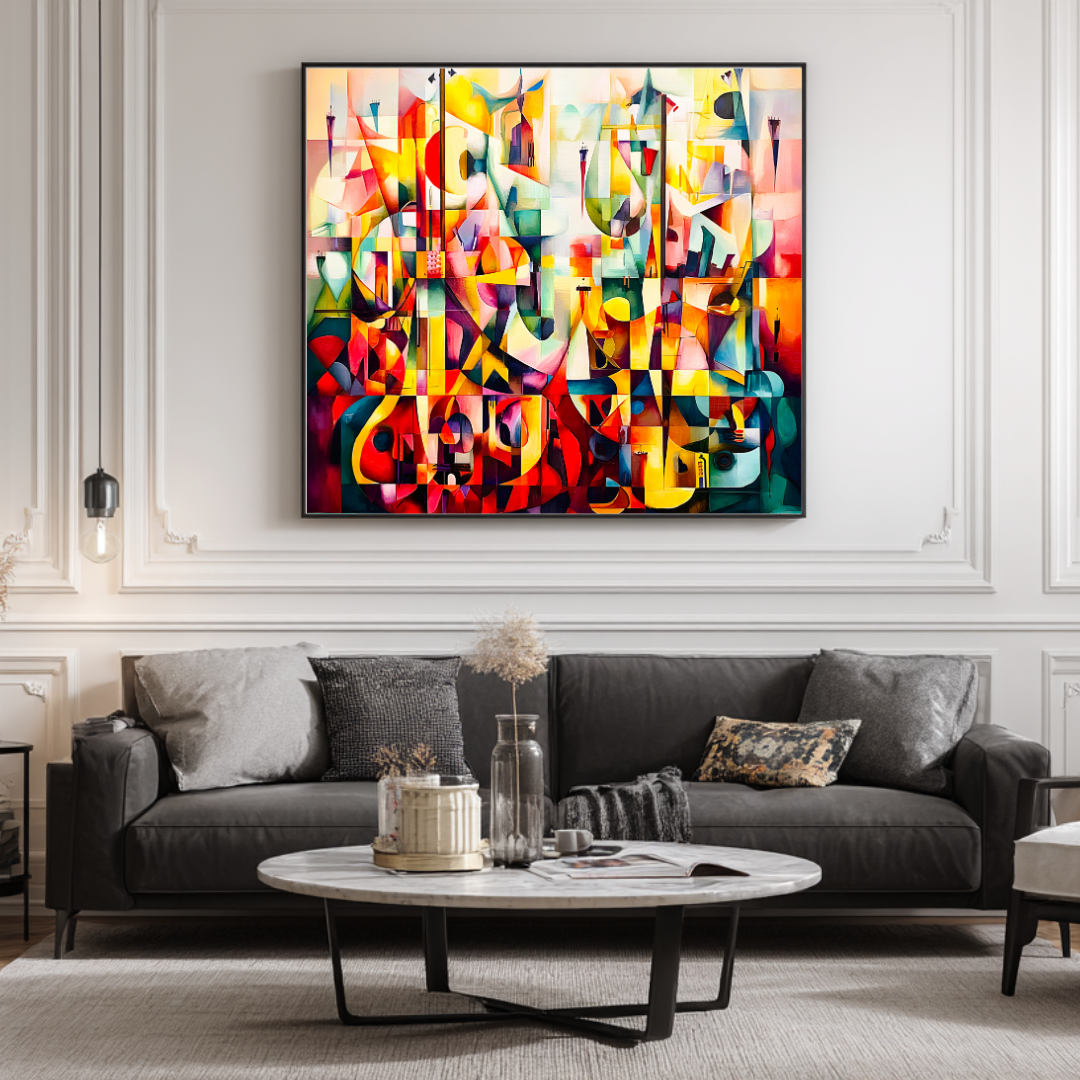
Art is one of the last decisions made in most interior projects — and one of the most important. It’s also, for many designers, one of the most difficult to get right consistently. The architecture can be perfect, the furniture beautifully sourced, the materials considered and coherent — and then the wrong art undoes it. Or the right art arrives and the room finally becomes what it was always meant to be.
This piece is written for interior designers, property developers, and design professionals working on high-end residential projects. It covers how experienced designers approach art selection: the frameworks they use, the mistakes they’ve learned to avoid, and what a productive working relationship with an artist actually looks like.
Art Is Not the Last Step
The most reliable predictor of whether art will work in a finished interior is when it was considered in the process.
Designers who approach art as a final layer — something to address once everything else is in place — consistently find themselves constrained. The wall is a given size. The palette is established. The furniture is ordered. Art becomes a problem to solve rather than a decision to make. Whatever is chosen at this stage is reactive rather than intentional.
The designers whose interiors consistently handle art well treat it as a design element from the beginning — not necessarily specifying the exact piece in early stages, but holding space for it, considering its proportions when planning the room.
The Framework: Four Questions Before Any Art Decision
Experienced designers tend to approach art selection through a consistent set of questions — not a formula, but a discipline.
What does this wall need to do? Not every wall needs a painting. Some walls need sculpture. Some need a mirror. Some need to be left alone. The question is functional before it’s aesthetic.
What scale does the space demand? Scale is the most common error in art selection at every level of the market, including high-end residential. When uncertain, the correct error is almost always larger, not smaller.
What is the room’s emotional register? A bedroom in a private villa has a different requirement from a double-height entrance hall in the same property. One needs something personal, intimate, calming. The other needs something that commands presence across distance and height.
Who is this space for? In a private commission, for a client who lives in the space full-time, art can be deeply personal. In a luxury rental property or a hospitality project, the art needs to work broadly: confident and considered enough to impress, universal enough not to alienate.
Working with Artists Directly: Why It Matters
The most sophisticated residential designers — particularly those working on significant private commissions and luxury villa projects — increasingly work directly with artists rather than exclusively through galleries or art consultants.
Direct relationships produce better outcomes. When a designer has an ongoing relationship with a working artist, they can bring that artist into a project at the concept stage — sharing floorplans, material samples, and mood boards before a single canvas has been stretched. The resulting work is designed for the space rather than selected for it.
The conversation is more flexible. Gallery acquisitions and art consultant sourcing operate through established inventory — work that already exists. Working directly with an artist opens a broader conversation: scale can be adjusted, palette can be discussed, the brief can evolve.
The economics are different. The margin structure in the art market means that the same work, acquired directly from the artist versus through a gallery or consultant, can differ significantly in price. Many artists offer trade pricing to design professionals for exactly this reason.
How to Brief an Artist: What Works and What Doesn’t
The quality of the brief determines the quality of the outcome.
What makes a good brief:
Specificity about the space. Not just “large living room” but: dimensions of the wall, ceiling height, quality and direction of natural light, what furniture sits adjacent to where the work will hang, photographs of the room in its current or finished state.
A clear articulation of the emotional intent. What should someone feel when they stand in front of this work? Calm? Stimulated? Moved? Grounded? These are design questions, and artists take them seriously.
Reference images that communicate atmosphere rather than style. Sharing images that communicate the feeling of the room — not necessarily art at all, sometimes architecture, textiles, landscape photographs — gives the artist more creative latitude and usually produces better work.
An honest budget conversation. Artists price their work according to scale, complexity, and their market position. Giving the artist a realistic budget range allows them to tell you honestly what’s achievable.
What makes a poor brief:
Over-specification. “I want an abstract painting, 120×150 cm, in blue-grey tones, with some warmer accents, loose brushwork in the upper left quadrant” produces a painting that has been directed rather than created.
No reference to the space. An artist who has never seen the room — or seen detailed photographs of it — is working blind.
Unrealistic timelines. Quality commissioned work takes time. Four to twelve weeks from start of work is realistic for most commissions.
What Defines Art That Works in a High-End Interior
Physical presence. In high-quality interiors where every other material has been chosen for its tactile quality, art that is emphatically physical — real paint, real texture, real surface — belongs in a way that flat reproductions don’t.
Tonal complexity. Works with sophisticated, layered colour relationships hold their quality across the full arc of a day’s light. Strong morning light, warm afternoon sun, and evening artificial light are three completely different environments for a painting. Work with genuine tonal depth looks different and interesting in each of them.
Scale confidence. The best art for significant residential spaces is chosen without compromise on scale. Not the largest canvas that fits the wall, but the canvas whose size feels inevitable for the room.
A clear artistic voice. The works that generate the most consistent response from clients almost always come from artists with a clear, consistent, recognisable practice. The work feels like it was made by someone specific, with a specific point of view.
Trade Relationships and How They Work
Many professional artists who work regularly with designers and developers offer trade arrangements that reflect the volume and complexity of professional projects:
- Trade pricing on prints and originals for qualifying professional clients
- Priority scheduling for commissioned works on development timelines
- Early access to new work before it’s offered publicly
- Multi-piece project pricing for properties requiring art across multiple rooms
- Involvement at early project stages for significant commissions
Frequently Asked Questions
How do interior designers source art for client projects?
Established designers typically use a combination of gallery relationships, art fairs, direct artist relationships, and art consultants — with the balance shifting depending on the project type and budget. For high-end custom residential work, direct artist relationships are increasingly preferred for the flexibility and outcome quality they offer.
Do interior designers get a discount on art?
Many professional artists and galleries offer trade pricing to interior design professionals — typically 10–20% below public prices, in exchange for the volume, consistency, and professional relationship that trade clients represent.
How far in advance should a designer commission art for a project?
For significant commissions, approaching the artist three to six months before the intended installation date gives adequate time for the brief to develop, the work to be created properly, and any revisions to be accommodated without schedule pressure. Art should be built into the project timeline from the beginning — not addressed in the final weeks before handover.
What should an interior designer look for in an artist for a luxury residential project?
Beyond aesthetic fit — which is the obvious prerequisite — look for professionalism in the working relationship: clear communication, transparent pricing, experience with commissions of comparable scale, and references or portfolio evidence of previous residential work.
Marta Ellie is a professional painter with over 20 years of experience delivering original commissions for private clients and luxury residential projects across Europe. She works directly with interior designers and property developers on projects ranging from single commissions to multi-room art programmes for villas and high-end developments on the Costa del Sol.
Trade enquiries, project consultations, and commission discussions are welcome at any stage of a project.
→ Enquire About a Trade or Project Relationship
Working on a residential project and need art more immediately? Browse available limited edition prints — multiple sizes available, ships across Europe.
From the collection
Prints related to this guide
Limited editions of 20 · Giclée on 365 g/m² canvas · Signed by Marta Ellie
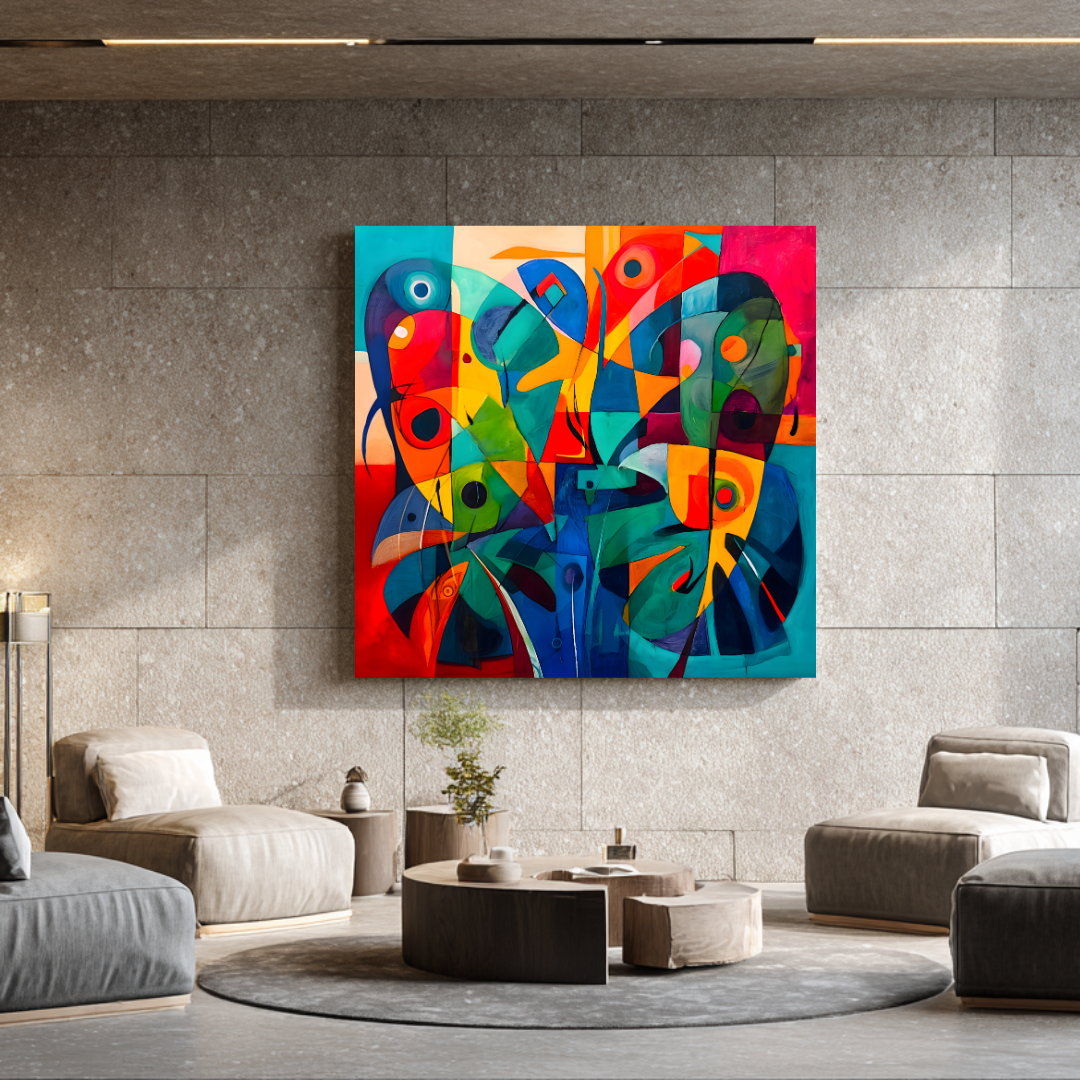
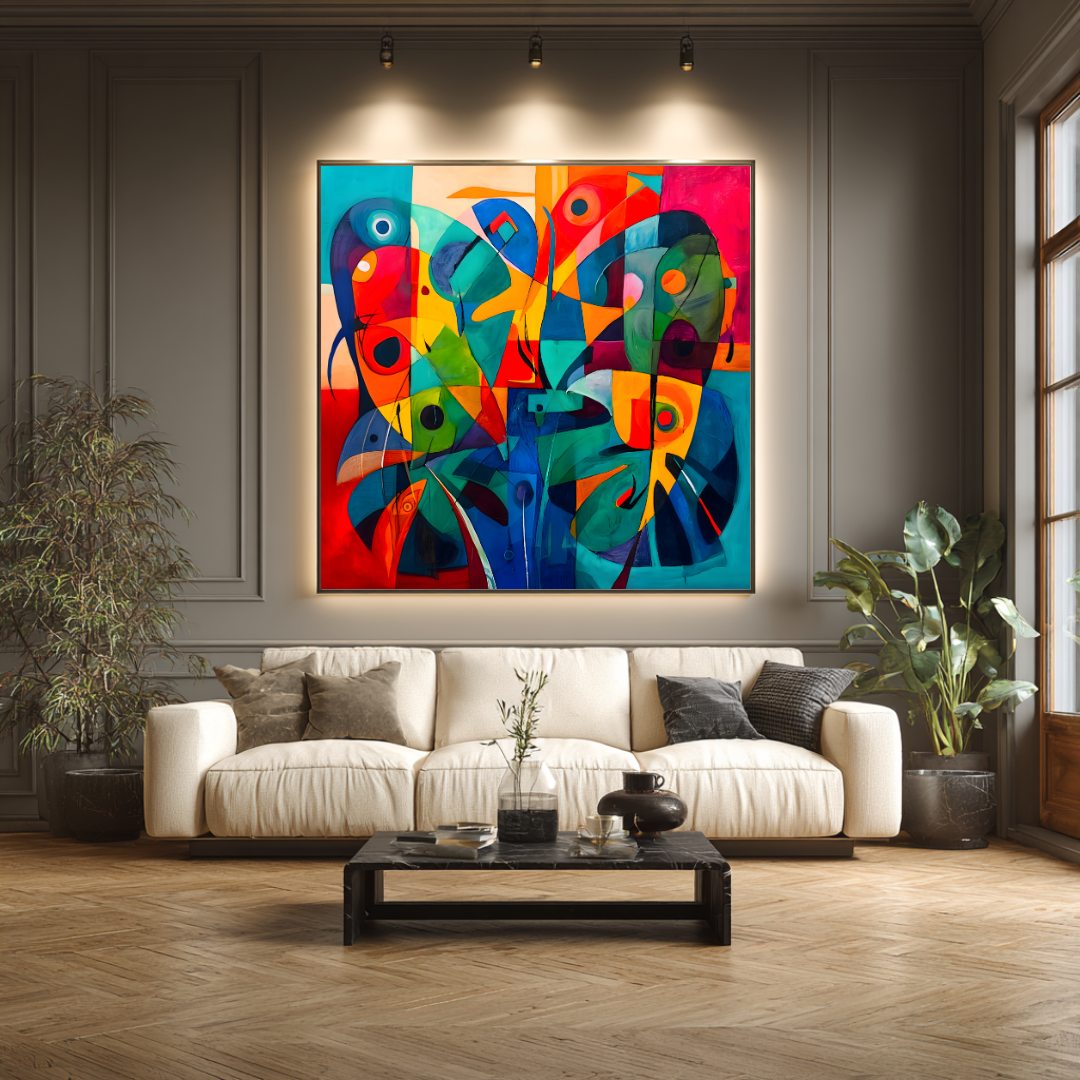
Abstract & Modern
Metamorphosis
€325
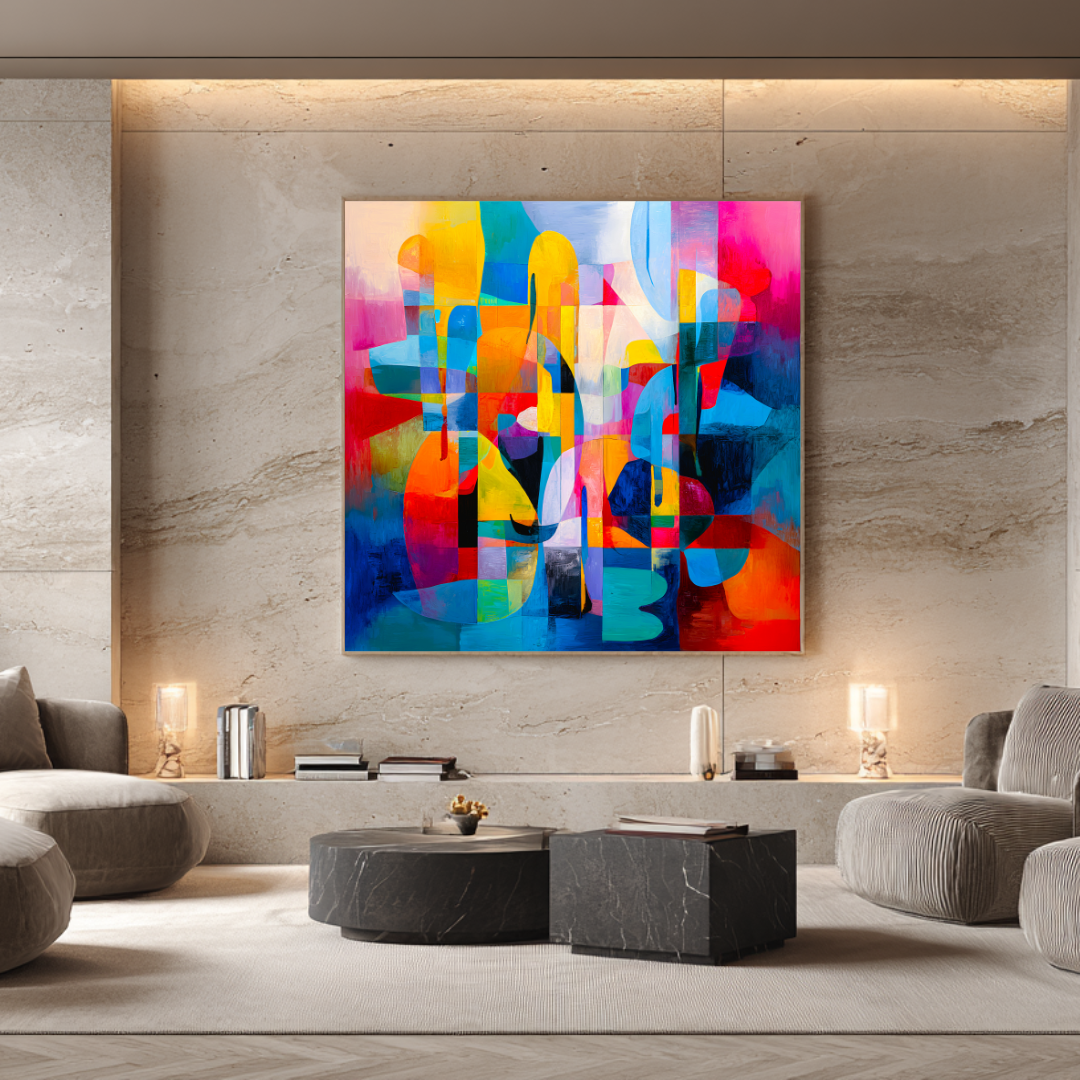
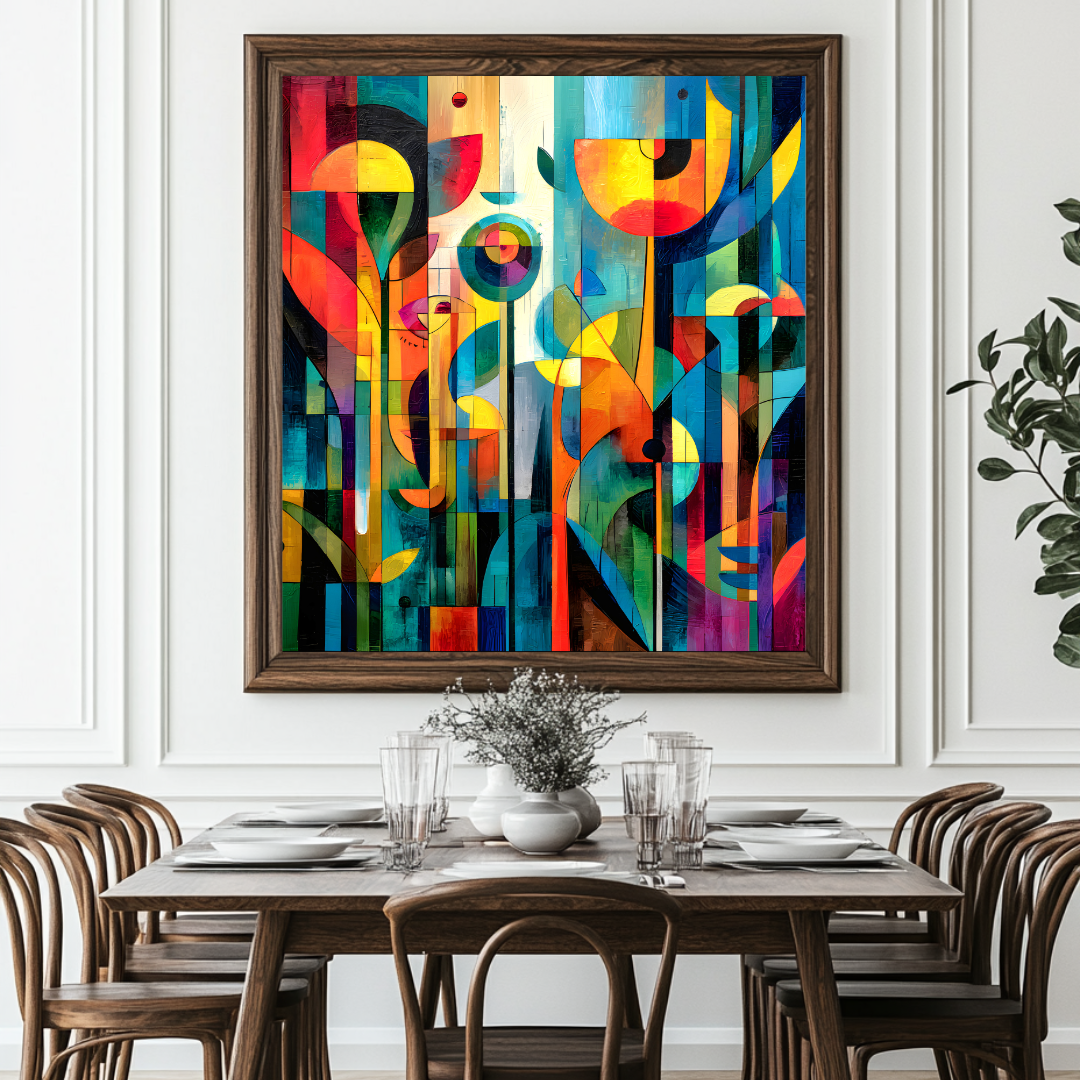
Abstract & Modern
Dreams
€300
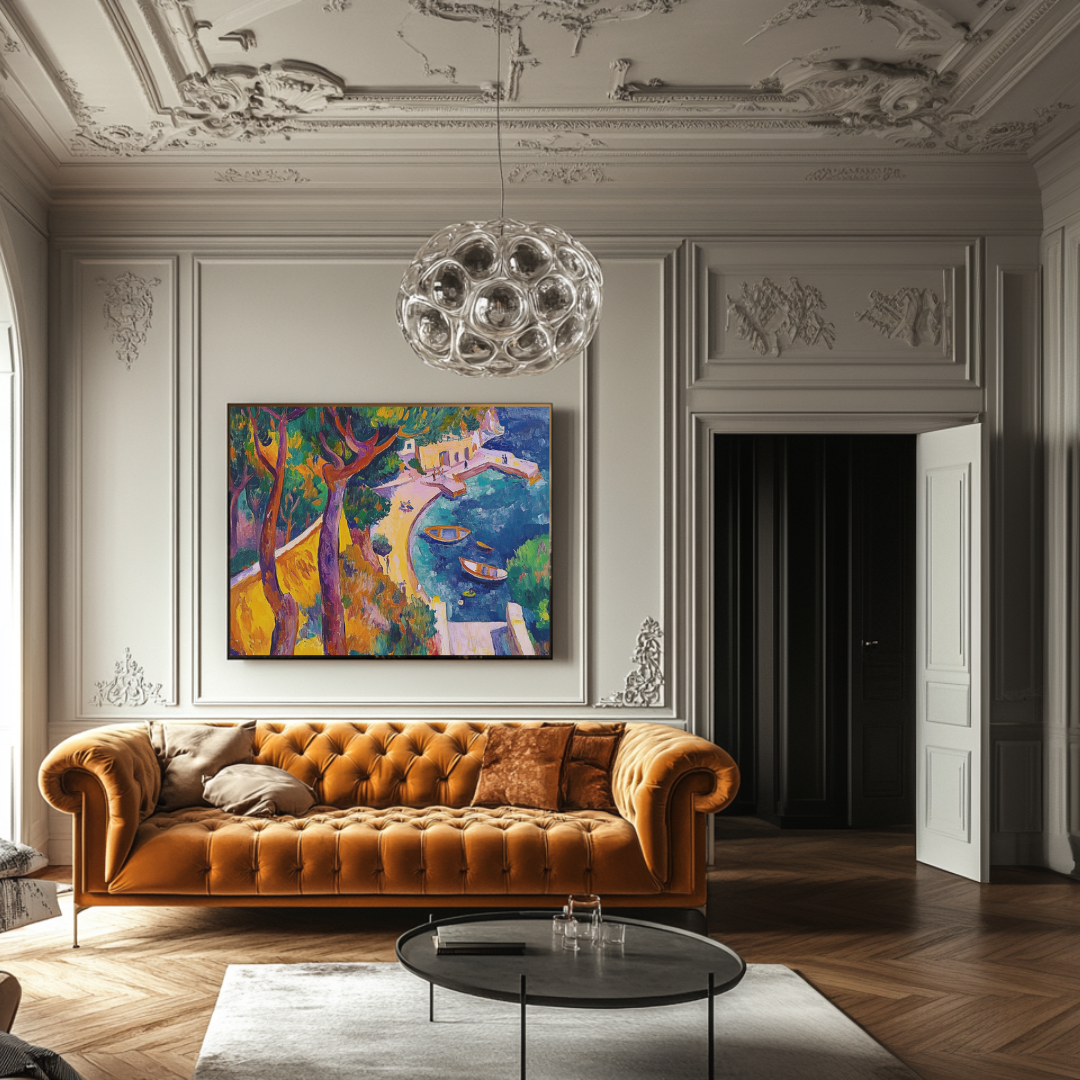
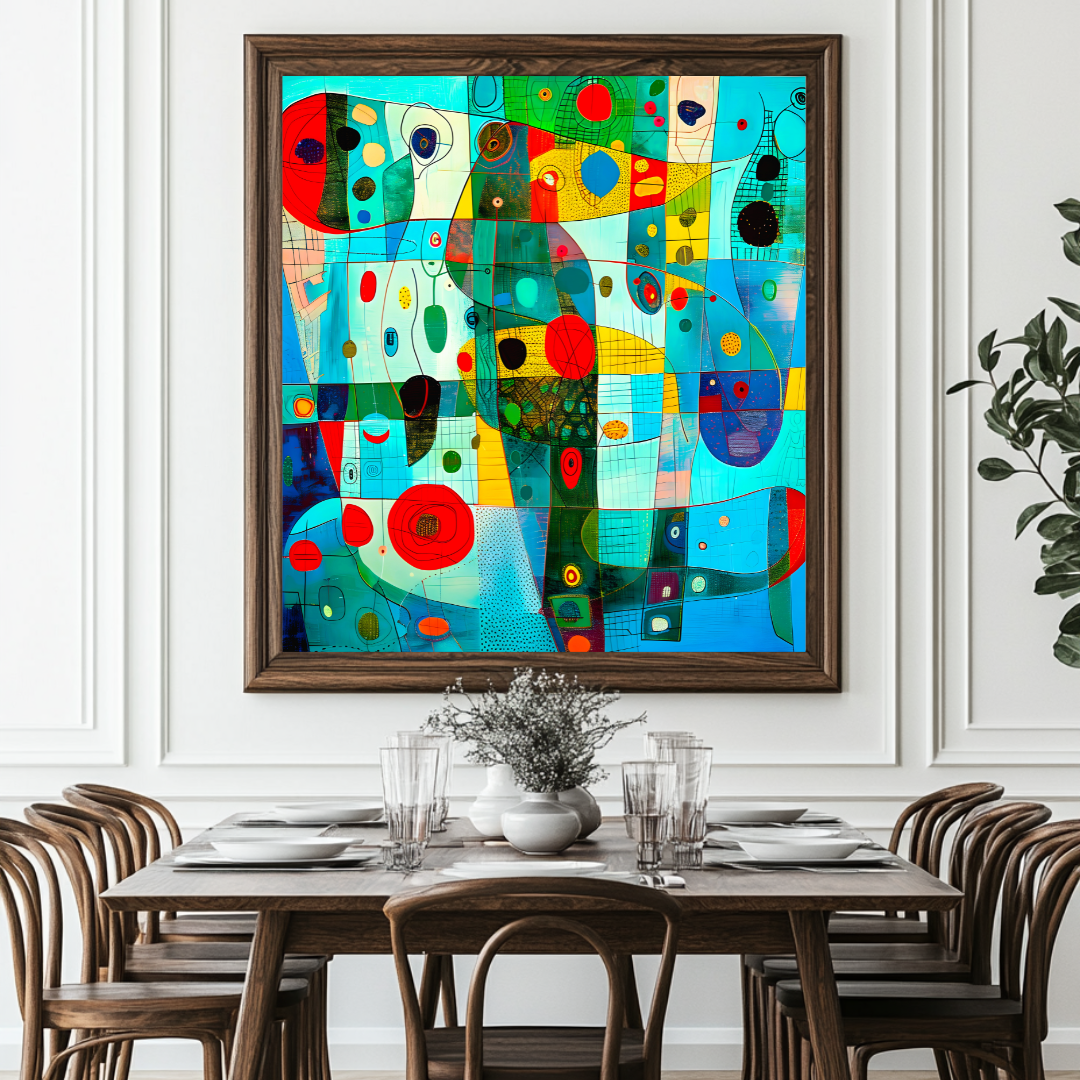
Coastal & Mediterranean
Harbor of Dreams
€350
Read next
Ready to find yours?
Museum-quality prints, from €300.
Limited editions of 20. Giclée on 365 g/m² canvas. Shipped worldwide.
More articles