
Protecting Canvas Art: Essential Tips for 2025 Walls
Canvas art can transform a dull wall into a showpiece, instantly adding style and personality to your home. Most people think the biggest threat to their favorite pieces comes from accidental bumps or scratches. But the real danger often comes from invisible forces like humidity and sunlight, with a temperature fluctuation as small as a few degrees causing irreversible canvas damage over time. Ignoring these subtle risks could mean your treasured artwork fades or cracks long before its time.
Table of Contents
- Understanding Damage Risks To Canvas Art
- Best Practices For Hanging And Placement
- Cleaning And Maintaining Canvas Wall Prints
- Long-Term Preservation For Collectors And Decorators
Quick Summary
| Takeaway | Explanation |
|---|---|
| Maintain Stable Environmental Conditions | Keep canvas art in environments with consistent temperature (68-72°F) and humidity (40-60%) to prevent structural damage. |
| Use Proper Hanging Techniques | Choose the right wall and secure mounting hardware to minimize risks of physical damage and ensure artwork stability. |
| Regularly Clean with Care | Gently dust canvas prints with soft tools and avoid moisture to maintain their aesthetic appeal and lifespan. |
| Limit Light Exposure | Position artwork away from direct sunlight and use UV-filtering materials to prevent fading and color distortion over time. |
| Document Artwork Thoroughly | Maintain detailed records of each piece, including condition reports and provenance, to enhance long-term value and preservation strategies. |
Understanding Damage Risks to Canvas Art
Protecting canvas art requires a deep understanding of the various environmental and physical risks that can compromise its integrity. Artwork represents not just aesthetic value but often significant emotional and financial investment, making comprehensive protection crucial.
Environmental Threats to Canvas Artwork
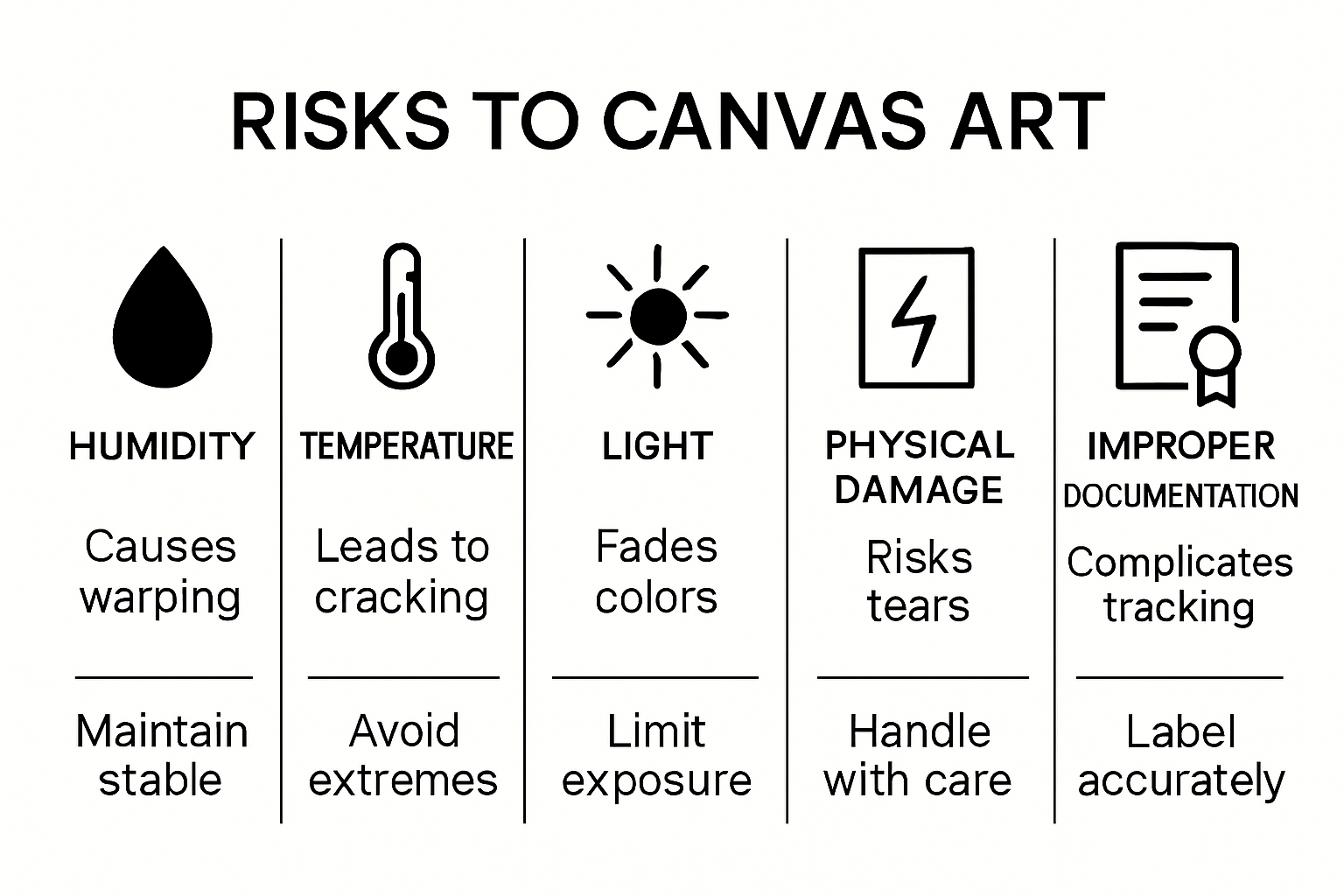
Canvas paintings are surprisingly vulnerable to environmental conditions. The Canadian Conservation Institute highlights that maintaining a stable environment is critical for artwork preservation. Relative humidity plays a significant role in canvas stability. Extreme fluctuations can cause the canvas to expand and contract, potentially leading to structural damage.
Temperature variations pose another substantial risk. Rapid shifts between hot and cold environments can cause canvas fibers to stretch and contract, creating stress on the painting’s surface. This mechanical stress can result in paint cracking, pigment separation, and potential permanent deformation. Museums and professional art conservators typically maintain consistent temperature ranges between 68-72 degrees Fahrenheit to minimize such risks.
Physical Damage Prevention
Physical handling represents another critical area of potential damage. The Smithsonian Institution’s Museum Conservation Institute emphasizes that improper handling can cause irreversible harm to canvas artworks. Common risks include punctures, tears, and abrasions that can occur during transportation, installation, or routine maintenance.
Art collectors and enthusiasts must adopt careful handling protocols. This includes wearing clean cotton gloves to prevent oil transfer, supporting the canvas from its edges, and avoiding direct contact with the painted surface. When moving artwork, using specialized art transportation materials like padded carriers and protective wrapping becomes essential.
Light Exposure and Degradation
Ultraviolet radiation represents a silent but persistent threat to canvas art. Prolonged exposure can cause significant pigment degradation, leading to fading and color distortion. The damage is often gradual and cumulative, making it challenging to detect until substantial changes have occurred.
To mitigate light-related risks, experts recommend strategic placement away from direct sunlight and using UV-filtering glass or acrylic when framing. Professional art conservators suggest limiting direct light exposure to less than 50 lux for sensitive artworks and rotating displayed pieces to prevent continuous radiation exposure.
By understanding these damage risks, art owners can implement proactive preservation strategies. Check out our guide on art storage techniques to further protect your valuable canvas art investments.
To clarify and organize the various risks discussed above, the table below summarizes the major threats to canvas art and the recommended preventive actions.
| Threat | Description | Recommended Preventive Action |
|---|---|---|
| Humidity Fluctuations | Causes canvas expansion and contraction, leading to potential structural damage | Maintain consistent humidity (40-60%) |
| Temperature Variations | Rapid changes stress fibers, causing cracking and deformation | Keep temperature stable (68-72°F) |
| Physical Handling | Punctures, tears, and abrasions during movement or installation | Use gloves, support from edges, use padded carriers |
| Ultraviolet Light | Fading and color distortion due to pigment degradation | Avoid sunlight, use UV-filtering glass/acrylic |
| Environmental Pollutants | Accumulation of dust and pollutants degrading canvas quality | Regular gentle cleaning, maintain good air quality |
Best Practices for Hanging and Placement
The strategic placement of canvas art can significantly impact its longevity and visual appeal. Proper hanging techniques not only enhance the aesthetic experience but also play a crucial role in protecting valuable artwork from potential damage.
Wall Selection and Preparation
Choosing the right wall is more complex than simply finding an empty space. The Smithsonian Institution recommends carefully evaluating wall conditions before mounting artwork. Ideal walls should be structurally sound, free from moisture issues, and away from direct sources of heat or extreme temperature fluctuations.
Before hanging, inspect the wall surface thoroughly. Avoid areas with previous water damage, visible cracks, or high humidity. Walls near air conditioning vents, radiators, or fireplaces can create problematic environmental conditions that may compromise your canvas art. Use a stud finder to locate secure mounting points, ensuring that your artwork has proper support and reduces the risk of accidental falling.
Mounting Techniques and Hardware
The selection of mounting hardware is critical for protecting canvas art. Professional art conservators recommend using specialized art hanging systems that distribute weight evenly and minimize stress on the canvas. Weight distribution is key to preventing potential damage during long-term display.
Consider these mounting recommendations:
- Use professional-grade wall anchors that can support the artwork’s weight
- Select hooks designed specifically for art mounting
- Avoid wire hangers that can create uneven pressure points
- Consider using multiple mounting points for larger or heavier canvases
Additionally, maintain appropriate spacing between artworks. Our guide on art storage techniques provides detailed insights into creating optimal display environments that protect your valuable pieces.
Environmental Considerations for Art Placement
Environmental factors play a crucial role in artwork preservation. Direct sunlight can cause irreversible damage to canvas art, leading to fading and material degradation. Position artwork away from windows or use UV-filtering window treatments to minimize exposure.
Temperature and humidity control are paramount. Maintain a consistent environment with:
- Stable temperature between 68-72 degrees Fahrenheit
- Relative humidity levels between 40-60%
- Minimal exposure to direct heat sources
- Adequate air circulation around the artwork
Rotate your artwork periodically to prevent prolonged exposure to light and environmental stressors. This practice helps distribute potential damage and allows for comprehensive inspection of the canvas condition.
By implementing these best practices, you can create a protective environment that preserves the beauty and integrity of your canvas art for years to come. Thoughtful placement is not just about aesthetics but about long-term preservation of your valuable artistic investments.
Cleaning and Maintaining Canvas Wall Prints
Canvas wall prints represent a significant artistic investment that requires meticulous care and attention. Proper maintenance not only preserves the artwork’s aesthetic appeal but also extends its longevity and protects its intrinsic value.
Basic Cleaning Techniques
The Smithsonian Museum Conservation Institute emphasizes the critical importance of gentle handling during cleaning processes. Regular dust accumulation can gradually degrade canvas artwork, making routine maintenance essential. Begin with soft, specialized tools designed for delicate surfaces.
Use a soft, clean microfiber cloth or a specialized art-grade soft-bristled brush to remove surface dust. Always move in one consistent direction, avoiding circular motions that might embed particles deeper into the canvas. For canvas prints, dry cleaning methods are preferred to prevent potential moisture damage. Compressed air can be effective for removing loose particles, but maintain a safe distance to prevent excessive pressure.
Professional Cleaning Approaches
The Canadian Conservation Institute recommends professional assessment for complex cleaning requirements. While routine maintenance can be performed at home, certain situations demand expert intervention. Signs indicating professional cleaning needs include visible dirt accumulation, potential mold growth, or noticeable surface irregularities.
Research from ResearchGate highlights advanced cleaning technologies like laser surface cleaning for delicate artworks. These specialized techniques can remove contaminants without risking damage to the original pigments or canvas structure. Professional conservators possess the expertise and specialized equipment to address complex cleaning challenges safely.
Preventive Maintenance Strategies
Prevention remains the most effective approach to canvas art preservation. Environmental control plays a crucial role in minimizing cleaning requirements. Position canvas prints away from high-traffic areas, potential moisture sources, and direct sunlight. Regular visual inspections can help identify potential issues before they become significant problems.
Implement a consistent maintenance schedule that includes:
- Monthly gentle dusting
- Quarterly comprehensive visual inspections
- Immediate isolation of artwork displaying signs of damage
- Maintaining stable environmental conditions
Learn more about comprehensive canvas art care techniques to ensure your valuable artwork remains pristine. By adopting a proactive approach to maintenance, you can protect your canvas prints and maintain their beauty for years to come.
Remember that each canvas print is unique and might require specialized care. When in doubt, consult a professional art conservator who can provide tailored advice specific to your artwork’s composition and condition. Proper maintenance is an investment in preserving not just an object, but a piece of artistic expression.
The following table summarizes the recommended routine maintenance and cleaning steps for canvas wall prints, including suggested frequency and purpose.
| Task | Frequency | Purpose/Notes |
|---|---|---|
| Gentle dusting with soft brush/cloth | Monthly | Removes dust, maintains surface cleanliness |
| Visual inspection for damage | Quarterly | Early detection of mold, cracks, or other concerns |
| Professional cleaning assessment | As needed (see signs) | Needed for visible dirt, mold, or surface irregularities |
| Immediate isolation if damaged | Upon discovery | Prevents further deterioration |
| Environmental monitoring | Ongoing | Ensures temperature/humidity remain stable |
Long-Term Preservation for Collectors and Decorators
Preserving canvas art requires strategic planning and commitment, especially for serious collectors and decorators who view artwork as both an aesthetic and financial investment. Long-term preservation goes beyond basic maintenance, involving comprehensive strategies that protect and enhance the artwork’s value over time.
Creating an Optimal Conservation Environment
The Smithsonian Museum Conservation Institute emphasizes the critical role of environmental stability in artwork preservation. Professional collectors must create controlled environments that minimize potential degradation risks. This involves maintaining consistent temperature and humidity levels that prevent material stress and potential structural damage.
Key environmental parameters include:
- Temperature range: 65-75 degrees Fahrenheit
- Relative humidity: 40-60%
- Air quality: Minimal pollutant exposure
- Light exposure: Controlled and limited intensity
Investing in professional-grade environmental monitoring equipment can help track and maintain these precise conditions. Digital hygrometers and temperature sensors provide real-time data, allowing immediate adjustments to preserve artwork integrity.
Professional Documentation and Archival Practices
Serious collectors understand that comprehensive documentation is as crucial as physical preservation. Maintaining detailed records of each artwork includes provenance, condition reports, restoration history, and professional appraisals. These documents not only track the artwork’s history but also contribute to its long-term value and potential resale potential.
Recommended documentation practices include:
- Detailed photographic documentation
- Professional condition assessment reports
- Certificates of authenticity
- Restoration and conservation records
- Archival-quality storage of supporting documents
Strategic Collection Management
Collectors and decorators must adopt a holistic approach to artwork preservation. This means developing a comprehensive strategy that addresses storage, display, transportation, and potential future conservation needs. Rotating artwork periodically, using archival-quality framing materials, and implementing careful handling protocols are essential components of long-term preservation.
Explore our expert guide on canvas art preservation strategies to develop a robust protection plan for your valuable collection. Professional-level preservation requires continuous education, investment in proper materials, and a proactive approach to artwork maintenance.
Remember that each canvas artwork is unique and may require specialized care. Consulting with professional art conservators periodically can provide tailored advice and help identify potential preservation challenges before they become significant issues. By treating artwork as a valuable cultural and personal asset, collectors can ensure these pieces remain vibrant and meaningful for generations to come.
Frequently Asked Questions
How can I protect my canvas art from environmental damage?
To protect your canvas art from environmental damage, maintain stable temperature and humidity levels, ideally between 68-72°F and 40-60% humidity. Avoid placing artwork near sources of heat or direct sunlight.
What are the best practices for hanging canvas art?
Select structurally sound walls free of moisture issues, use specialized mounting hardware for even weight distribution, and avoid high-traffic areas to reduce the risk of physical damage.
How often should I clean my canvas artwork?
You should gently dust your canvas artwork monthly with a soft brush or microfiber cloth and conduct a more thorough visual inspection quarterly to identify any potential damage.
What should I do if my canvas art shows signs of fading?
If your canvas art shows signs of fading, minimize its exposure to light by relocating it away from direct sunlight and consider consulting a professional conservator for cleaning or retouching options.
Upgrade Your Canvas Art Protection with Marta Ellie’s Exclusive Collections
Preserving the beauty and value of your canvas art is about more than just controlling humidity or cleaning surfaces. It also means selecting the right artwork for your space and ensuring every piece you invest in is crafted with care. If you worry about fading colors, accidental damage, or uncertainty about proper display, our premium canvas art options address these concerns from the start. Discover how our Art Gallery Opening Night Wall Art – Exclusive Canvas Art, featured for its quality and aesthetic versatility, offers not only timeless designs but also durable materials designed for long-lasting enjoyment in any environment.

Your wall décor deserves both protection and inspiration. Shop directly from Marta Ellie’s main site to experience high-quality canvas art that reflects the latest preservation practices and creative artistry. Make your space stand out today with art that is crafted to last. Visit now to find your next statement piece and feel confident in the lasting value of your investment.
Recommended
- How to Store Art Safely: Protect Your Wall Art and Canvas in 2025 – Exclusive Canvas Art
- Caring for Canvas Art: Expert Tips for Wall Decor 2025 – Exclusive Canvas Art
- Preserving Canvas Artwork: Best Tips for Art Lovers 2025 – Exclusive Canvas Art
- Caring for Canvas Prints: Expert Tips for 2025 – Exclusive Canvas Art